
Google AI Overviews have quietly become the most important piece of search real estate in years, and most brands are not ready for them. When someone types a question and the answer appears at the very top of the page, assembled and summarized by AI, the traditional blue links suddenly matter less than whether your page was one of the sources the model chose to trust. This guide from the On&On team breaks down how these overviews work, how they pick their sources, and the practical steps that put your content inside them.
The shift is not subtle. A single overview can push the classic organic results below the fold, so the question is no longer only “do I rank,” but “am I cited.” Getting that right is a mix of durable SEO fundamentals and a few new habits built specifically for AI-driven results. For a broader view of how we approach this, see the work on the On&On site.
What Google AI Overviews actually are
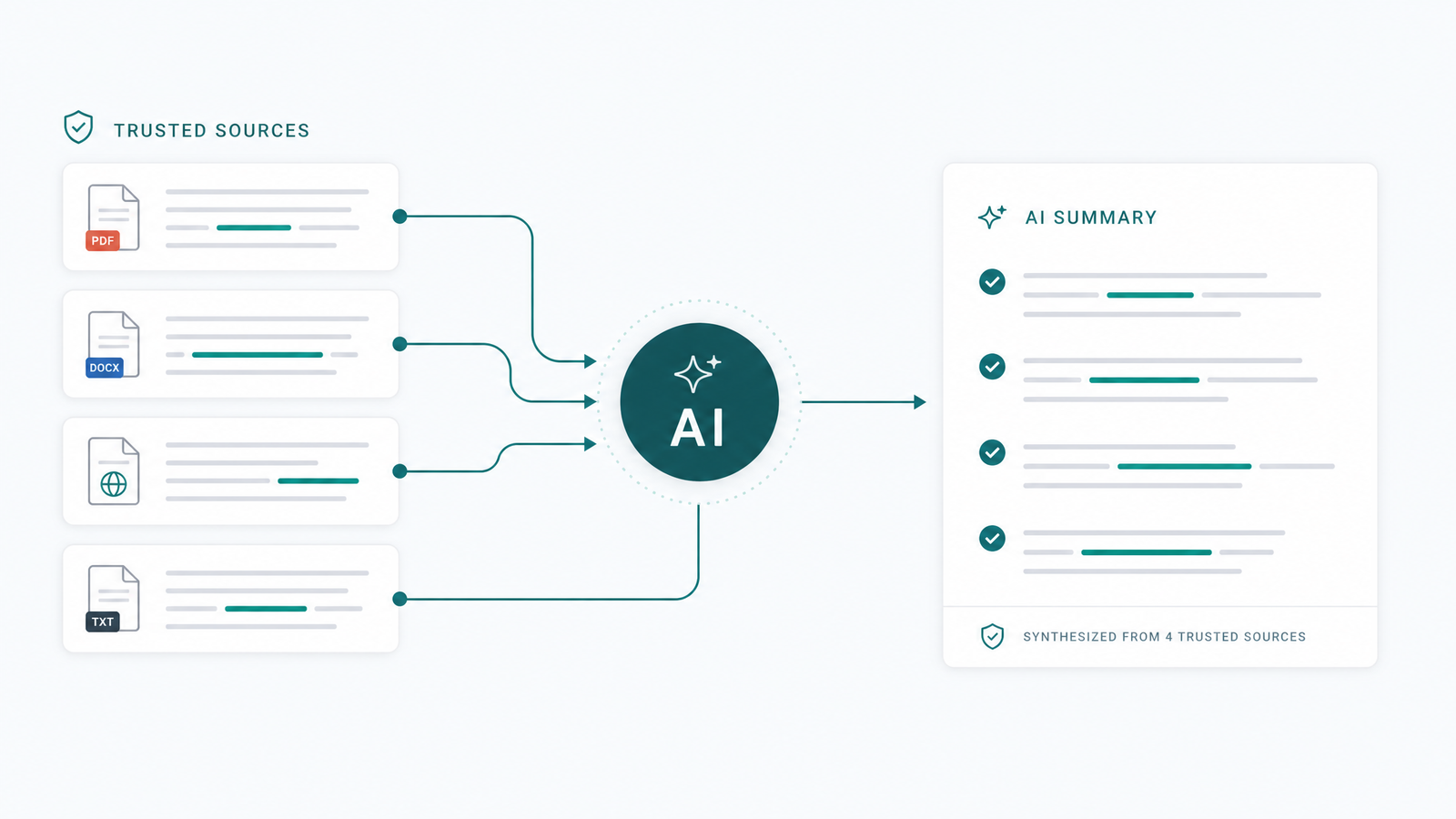
Google AI Overviews are AI-generated summaries that appear above the standard results for many informational queries. Instead of returning ten links and letting you sort them out, Google reads across several trusted pages, synthesizes an answer, and cites the sources it leaned on. The result looks like a short briefing with links attached, and for a lot of searches it is the only thing a user reads before moving on.
Two things make this different from a featured snippet. First, the answer is composed from multiple sources rather than lifted from one. Second, it is generative, so the exact wording changes and your job is to be one of the pages the system draws from, not to own a single fixed box. That reframes optimization around being consistently citable rather than winning one position.
Why they change the SEO game
For years the goal was a top-three ranking and a compelling title that earned the click. Overviews add a new layer on top of that. A page can rank on the first page and still be invisible inside the summary, while a slightly lower-ranked page with clearer, better-structured answers gets pulled in and cited. Visibility and clicks decouple, and the brands that adapt fastest capture attention the rest of the market cannot see.
This is also where fear tends to take over. Yes, some purely informational clicks will shrink. But the flip side is that a citation inside an overview is a powerful trust signal at the exact moment a person is deciding what to believe. Being named as a source, next to Google’s own answer, is worth more than a tenth blue link almost every time.
How Google AI Overviews pick their sources
Google has been clear that there is no separate algorithm you can game for the overview. It draws on the same core systems that rank organic results, which means the fundamentals still decide who is eligible. Pages need to be crawlable, indexable, genuinely helpful, and aligned with what the query is really asking. If you are not in the running organically, you will not appear in the summary either.
On top of that baseline, the model favors content that is easy to extract and easy to trust. Clear claims, direct answers near the top of a section, and obvious signals of expertise all help. Pages that bury the answer under three paragraphs of throat-clearing, or that hedge every sentence, are harder to quote and tend to be skipped in favor of a competitor who simply said the thing.
Structure content the way the model reads it
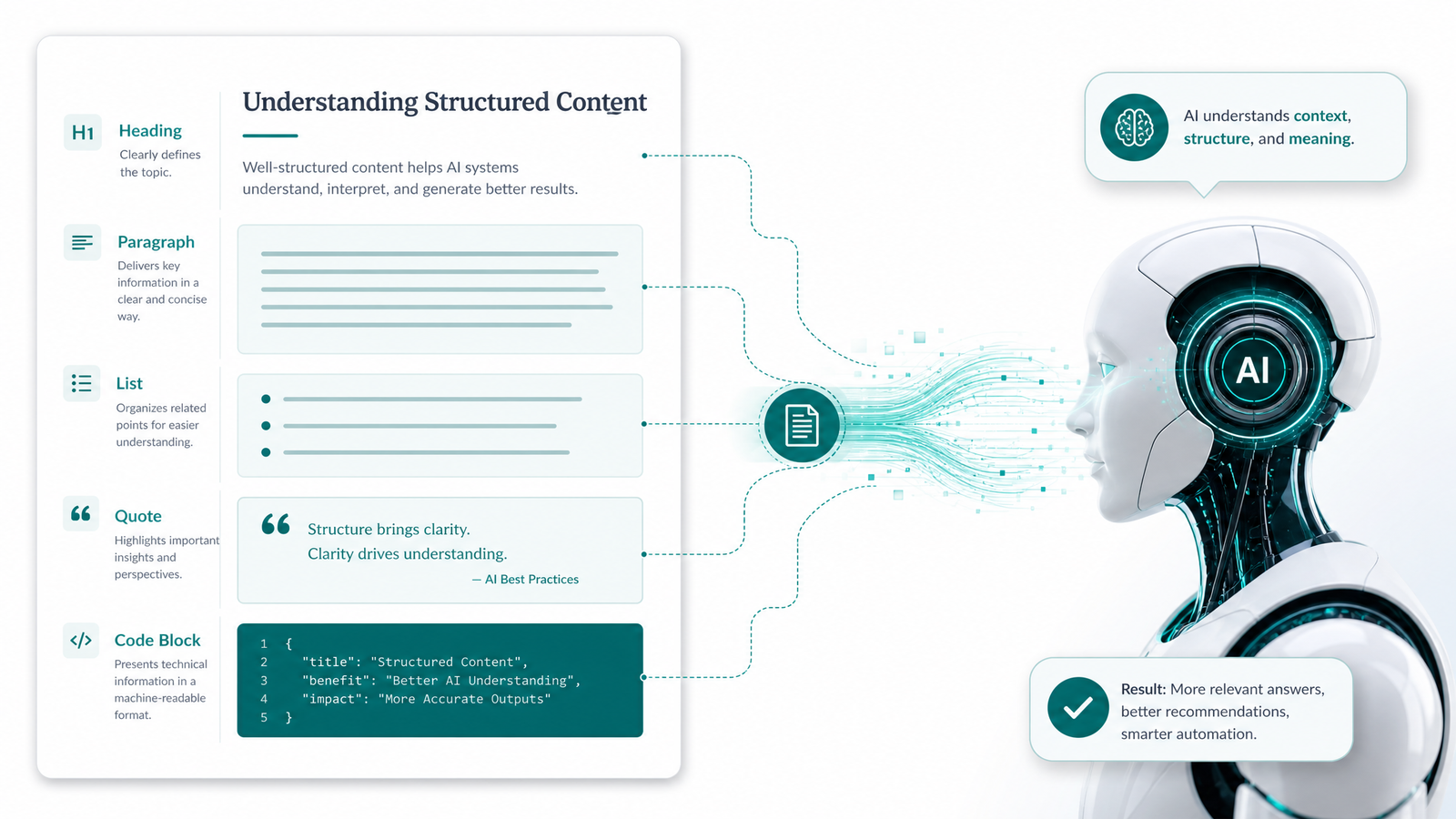
The most reliable lever you control is structure. Lead each section with a plain, self-contained answer, then support it with detail. Write descriptive headings that match how people phrase questions, use short paragraphs, and put the key sentence where a machine can lift it without needing the surrounding context. A good test is whether a single paragraph, read alone, still answers the question it sits under.
Lists, comparison tables, and tight definitions are especially useful because they package information in a form that is easy to summarize. None of this means writing for robots at the expense of people. The same clarity that helps an AI extract your point helps a human skim and trust it, which is why this approach compounds rather than trading one audience for another.
The technical foundations still matter
Eligibility for Google AI Overviews rests on the same technical base as everything else in search. Make sure important pages are not blocked in robots.txt, that they render without requiring heavy client-side JavaScript to show their main content, and that they load quickly on mobile. Add structured data where it fits, use clean and descriptive URLs, and keep your internal linking tight so authority flows to the pages you care about.
For the canonical rules here, Google’s own SEO Starter Guide remains the reference. The teams that win are usually not doing anything exotic. They have simply removed every technical reason for a page to be skipped, so the content can be judged on its merits.
Build topical authority, not one-off posts
AI systems reward depth. A site with one thin article on a subject looks very different from a site that covers the topic thoroughly, links its pieces together, and demonstrates real command of the area. Building clusters of related content around a core theme signals that you are a genuine authority, and that signal makes each individual page more likely to be treated as a trustworthy source.
This is where a content engine earns its keep. Producing consistent, well-structured, genuinely useful articles at a steady cadence is hard to do by hand, which is exactly the problem On&On builds automation to solve. The goal is not volume for its own sake, but reliable coverage that keeps proving your expertise to both readers and the models reading alongside them.
Measuring visibility inside AI results
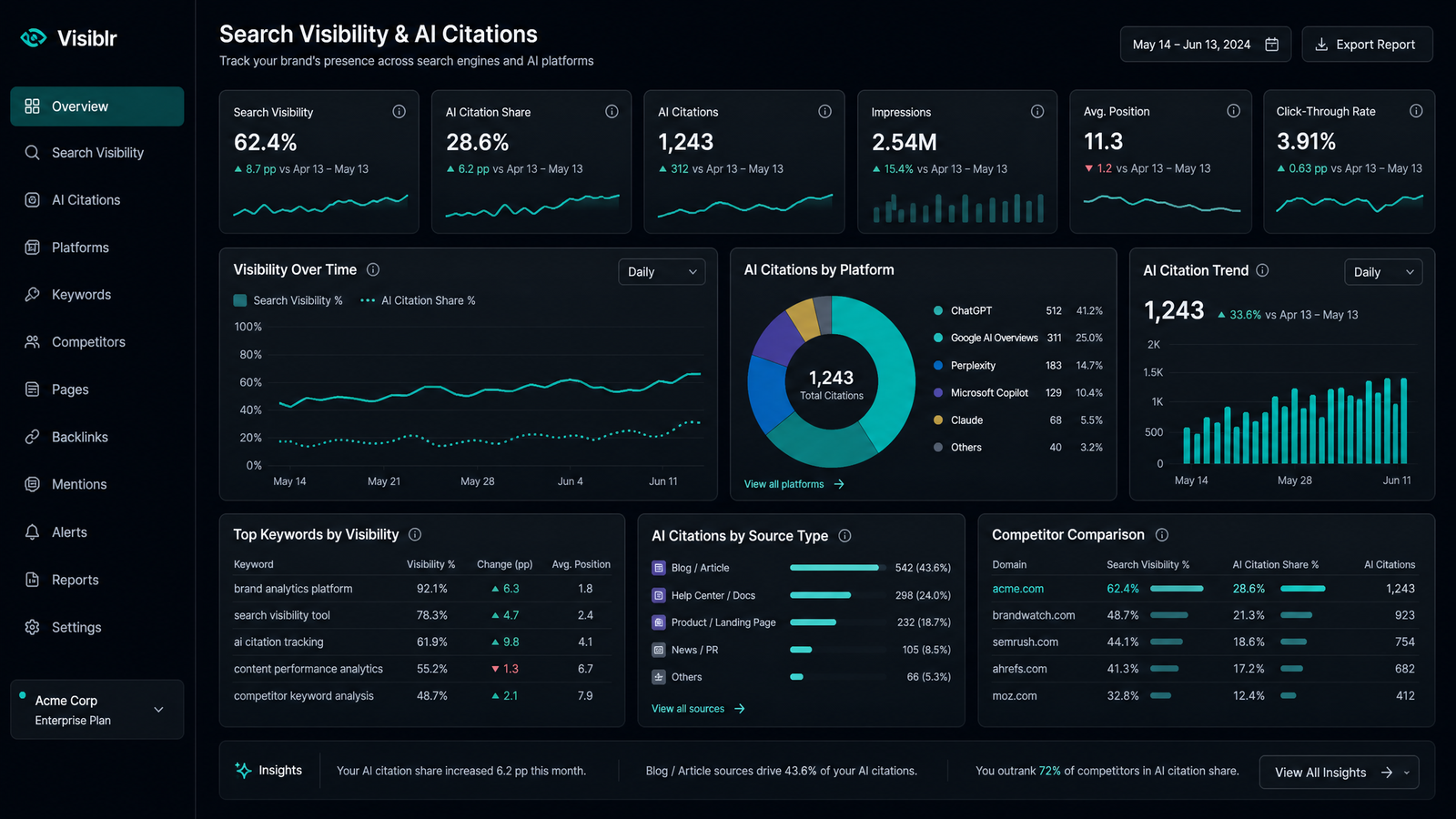
You cannot improve what you cannot see, and overview visibility is harder to track than classic rankings. Start by monitoring the queries that matter to your business and noting which ones now trigger a summary and whether you are cited. Watch for shifts in impressions and click-through rate on informational pages, since a drop in clicks paired with steady impressions is often a sign an overview is intercepting the traffic.
Pair that with brand-mention tracking across AI answer engines beyond Google, since the same content habits that earn citations in one place tend to travel. Over time you are looking for a pattern: the topics where your structured, authoritative pages consistently show up as a named source, and the gaps where a competitor is being quoted instead.
A practical checklist
To turn all of this into action, work through a short list on every important page. Confirm the page answers the real intent behind the query, and that the answer appears near the top. Check that headings are descriptive and that each section stands on its own. Verify the technical basics, add supporting internal links, and make sure the page is part of a broader cluster rather than a lonely one-off.
Then revisit it. AI Overviews evolve, competitors publish, and what was citable last quarter can be edged out. Treating your best pages as living assets, refreshed on a schedule, is what keeps them in the summary over time rather than fading out of it.
Where most brands go wrong
The most common mistake is treating AI results as a separate channel that needs a separate trick. There is no secret tag, no schema type, and no submission form that forces your way in. Brands that chase those shortcuts waste effort while the pages that actually get cited are simply the clearest, most trustworthy answers to the question. If you find yourself looking for a hack, that is usually a sign the underlying content is not yet good enough to be quoted on its own.
The second mistake is optimizing the wrong pages. Commercial and transactional queries trigger overviews far less often than informational ones, so pouring energy into summarizing a product page rarely pays off. Focus the effort where the format lives: genuine questions, how-to intents, comparisons, and definitions. Map which of your queries actually produce a summary today, and concentrate your best structural work on those, rather than spreading it thin across pages that will never surface an overview in the first place.
A third and quieter mistake is inconsistency. A single excellent article rarely earns durable citations if the surrounding site is thin, dated, or contradictory. Models weigh the whole picture, so a page that contradicts your other content, or sits on a domain with little demonstrated expertise, is a riskier source to quote. Coherence across your site is not a nice-to-have here. It is part of what makes any individual page safe enough to cite.
How overviews differ by query type
Not every search behaves the same way. Broad, ambiguous questions tend to produce longer overviews that pull from many sources, which rewards breadth and clear definitions. Narrow, specific questions produce tighter answers where a single precise, well-structured passage can dominate. Knowing which kind of query you are targeting tells you how to shape the page, from how much context to include to how directly you state the core answer.
There is also a growing overlap between what wins here and what wins on other AI answer engines. The clarity, structure, and demonstrated expertise that earn a citation in one summary tend to travel to the next, because they are all reading for the same signals. That is the strategic gift hidden inside the disruption. Instead of maintaining a different playbook for every surface, you invest in genuinely excellent, well-organized content once, and it compounds across Google, the AI engines, and the humans reading in between.
Turning citations into a durable advantage
Earning a place in the summary is the start, not the finish. A citation sends a smaller but far more qualified stream of visitors, people who have already seen your name attached to a trusted answer and clicked anyway because they want more. Those visitors convert differently, so the pages that earn citations deserve strong, relevant next steps: a clear offer, a related guide, a reason to stay. Treat the overview as the top of a funnel you actually designed, rather than a dead end you resent.
Over a longer horizon, the brands that win are the ones that make this a system instead of a scramble. They keep a living map of the questions their market asks, they publish clear answers on a dependable cadence, they refresh the pages that matter, and they watch which topics reliably surface them as a source. None of that is glamorous, and none of it depends on a trick that will stop working next quarter. It is the same durable formula that has always rewarded genuine expertise, now pointed at a new and rapidly growing surface. The work is real, but so is the payoff, and the teams that start building the habit today will be the hardest to dislodge tomorrow.
Frequently asked questions
Do Google AI Overviews kill SEO? No. They change where visibility shows up, but they run on the same ranking systems, so strong, helpful, well-structured content is still the path in. The work shifts toward being citable, not just rankable.
Can I opt out of appearing in an overview? You can use standard preview controls to limit how much of your content is shown, but for most brands the better move is to earn the citation, since being named as a source builds trust at the moment of decision.
How long does it take to show up? If your fundamentals are solid, structuring content clearly can produce results in weeks, but building the topical authority that earns consistent citations is an ongoing effort measured in months.